
Relieve tooth pain and save your natural tooth with root canal treatment at McGregor Dental in Fort Myers, FL. Dr. Jeffrey Bourne starts with an exam and digital X-rays, then removes the infection inside the tooth using a local anesthetic. Most cases take one to two visits. As a private, patient-focused practice on McGregor Blvd, we make sure you know exactly what your tooth needs before treatment begins. Call (239) 590-9919 or request an appointment today.
"I've always been nervous about the dentist, but Dr. Bourne took the time to walk me through every step of my extraction. I never felt a thing, genuinely the calmest dental visit I've ever had."
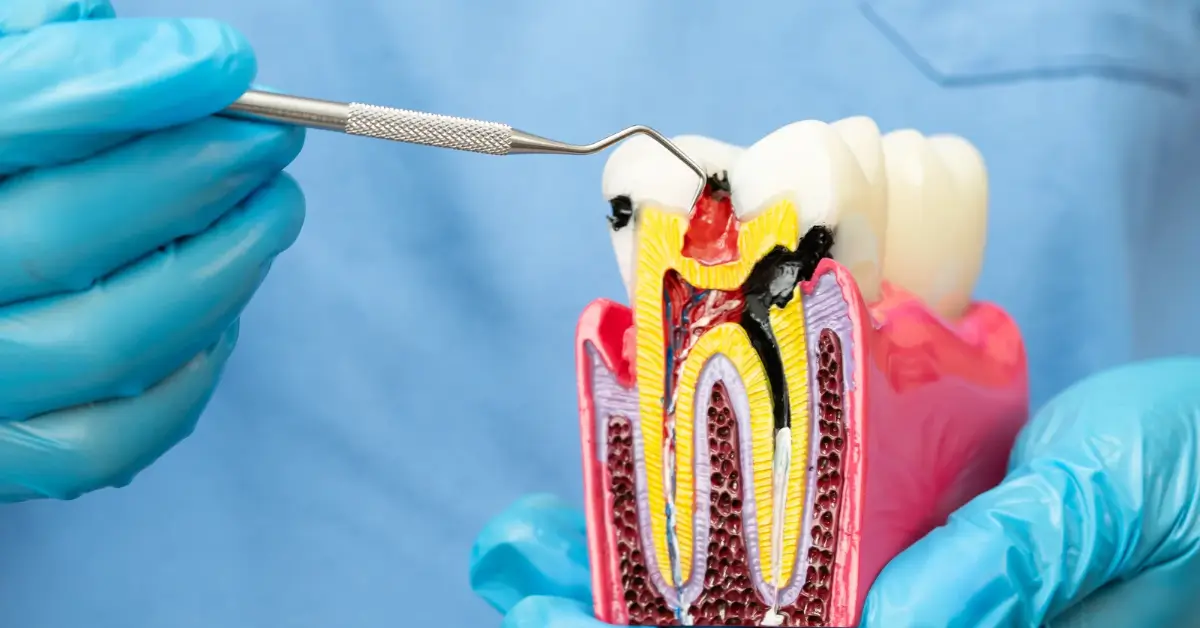
McGregor Dental provides root canal therapy in Fort Myers, FL to relieve tooth pain and stop infection from spreading to the bone and gums. The procedure removes infected or inflamed pulp from inside the tooth, cleans and seals the root canals, and lets you keep your natural tooth instead of having it extracted.
Treatment is recommended when deep decay, a crack, or an injury damages the pulp, because infected pulp does not heal on its own. Keeping the natural tooth also protects your bite and avoids the replacement a missing tooth would need.
McGregor Dental provides root canal therapy in Fort Myers, FL to relieve tooth pain and stop infection from spreading to the bone and gums. The procedure removes infected or inflamed pulp from inside the tooth, cleans and seals the root canals, and lets you keep your natural tooth instead of having it extracted.
Severe tooth pain, sensitivity to hot or cold temperatures, and swelling around the gums are the most common warning signs that a tooth needs a root canal. The infection behind them usually starts with a deep cavity, repeated dental work, a cracked tooth, or an injury, and an abscess can form in the tooth or the bone around it.
Only an exam and X-rays confirm that you need a root canal, so call (239) 590-9919 to schedule yours. Not every painful tooth can be saved, and our guide to root canal vs. extraction explains how that decision is made when too little healthy tooth remains.

Root canal therapy in Fort Myers moves through five stages, and most cases need one to two visits.
Your visit starts with a close look at the tooth and digital X-rays of the root and the bone around it. The images show how far the infection has spread, so the treatment fits your tooth.
The dentist numbs the tooth with a local anesthetic and covers it with a thin rubber sheet called a dental dam. You stay awake, and you can signal at any point if you need more numbing.
The dentist makes a small opening in the top of the tooth and takes out the inflamed or infected pulp from the chamber and the root canals. Each canal is then cleaned and given a smooth shape that a filling can seal.
The cleaned canals are packed with a rubber-like material called gutta-percha, which seals the space against reinfection. A temporary filling covers the opening until your follow-up visit.
At the follow-up visit, the temporary filling comes out and a permanent filling or a crown goes on. Back teeth usually get a crown for strength, and front teeth do not always need one.
Most visits last about 60 to 90 minutes, and most front-tooth root canals finish in one visit. Some molars need a second visit because they have more canals to clean.
Mild soreness lasts two to three days after a root canal, and most people feel back to normal by the end of the first week. Most people return to work the same day. Take over-the-counter pain medicine as directed, eat soft foods, and chew on the other side until the crown is placed. Call us for swelling, fever, pain that grows after day three, or a loose temporary filling.
The tooth and the area around it can stay sensitive for a few days, and the crown follows a few weeks after the root canal. Our dental crowns are custom-made to match your natural teeth in form and color.

Dr. Jeffrey Bourne performs your root canal in a private, non-corporate practice where you see the same doctor at every visit. For a Fort Myers root canal, that continuity means the dentist who examines your tooth is the dentist who treats it.
Dr. Bourne earned his DDS from Virginia Commonwealth University in 2001, completed a residency in Advanced Education in General Dentistry, and ran a private practice in Colorado before moving to Southwest Florida. Preview the space on our office tour page before your visit.
McGregor Dental is located at 15271 McGregor Blvd, Suite 21, Fort Myers, FL, in the McGregor Point area. Our office welcomes patients from Fort Myers, Iona, the Villas, Cypress Lake, Whiskey Creek, Pine Manor, Harlem Heights, Page Park, San Carlos Park, and Cape Coral. Dr. Jeffrey Bourne provides tooth extractions here and explains your price before treatment begins.
Most root canals take one to two visits of about 60 to 90 minutes each. Front teeth usually finish in one visit, and some molars need a second. The crown is placed a few weeks later.
Local anesthesia numbs the tooth, and patients usually compare the visit to getting a cavity filled. The American Dental Association reports little to no pain during the procedure. The pain patients remember usually comes from the infected tooth before treatment, as our guide Does a Root Canal Hurt? explains.
The cost depends mainly on which tooth is treated and whether it needs a crown. Our root canal cost guide lists typical fees for each tooth type and for the crown, so you can plan before your visit.
Most plans pay part of a root canal, and we accept all PPO plans. We are in-network with MetLife, Aetna, United Healthcare, Cigna, Delta Dental, Humana, Guardian, and GEHA, as listed on our insurance page. Our root canal cost guide explains how deductibles, coverage percentages, and yearly maximums affect what you pay.
Back teeth usually need a crown, and front teeth do not always need one. A crown protects the treated tooth from cracking, so avoid biting on it until it is restored. Read more about our crowns and caps.
Eat soft foods such as yogurt, scrambled eggs, soup, and mashed potatoes for the first few days. Chew on the other side of your mouth, and avoid biting on the treated tooth until the crown or permanent filling is in place.
A general dentist can perform your root canal. The American Association of Endodontists says general dentists are trained in root canals, while endodontists are specialists with at least two additional years of training. Dr. Bourne provides root canal treatment at McGregor Dental, and your exam and X-rays show what your tooth needs.
As the American Dental Association explains, the infection stays in the tooth and can lead to an abscess. Antibiotics can ease swelling briefly but cannot clean infected pulp. Call (239) 590-9919 if you notice swelling, fever, or worsening pain.
As the American Dental Association explains, the infection stays in the tooth and can lead to an abscess. Antibiotics can ease swelling briefly but cannot clean infected pulp. Call (239) 590-9919 if you notice swelling, fever, or worsening pain.